...

.WordPress vs Custom Development

fit / trade-offs / long-term thinking

WordPress can be right for some websites, but custom development often becomes the better fit when flexibility, workflows, and maintainability matter more.

Service focus

wordpress or laravelcustom developmentcms migration strategy

selected clients

Trusted by global and regional brands.

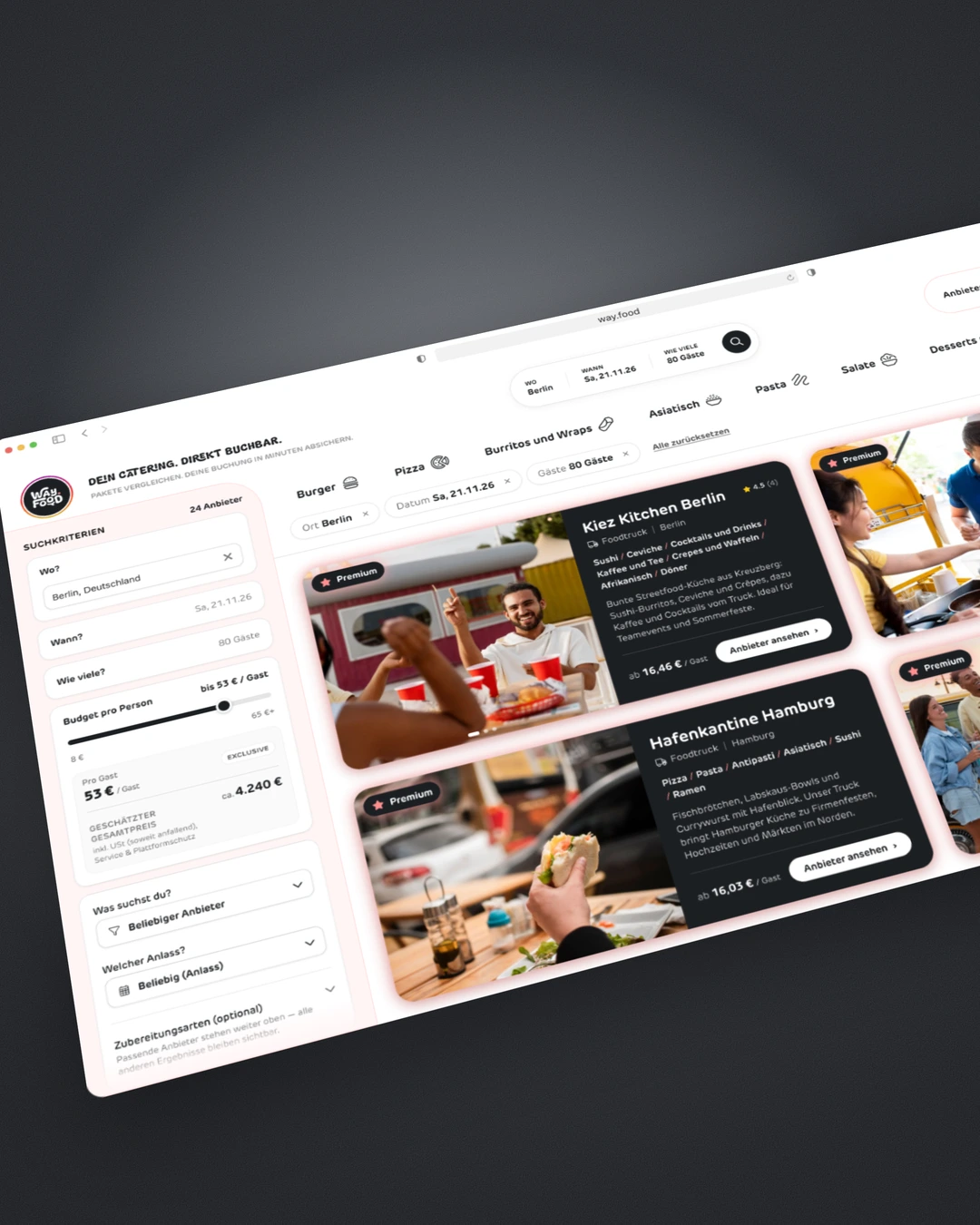
way.foodway.food website preview
Tamplen Plastic SurgeryTamplen Plastic Surgery website preview
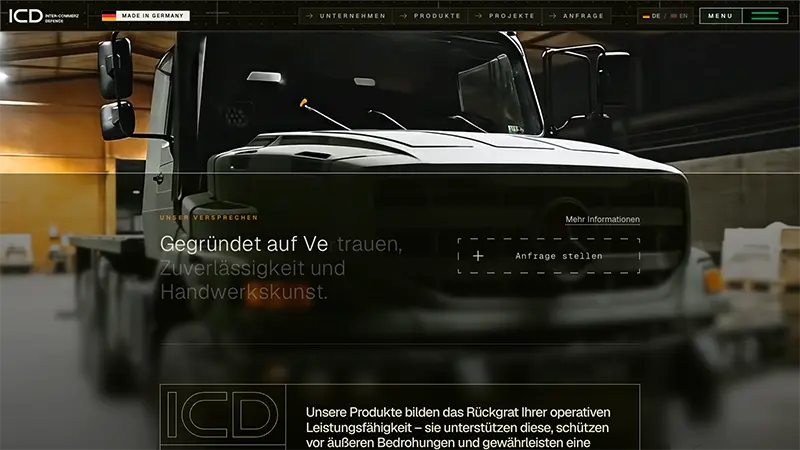
IC DefenceIC Defence website preview
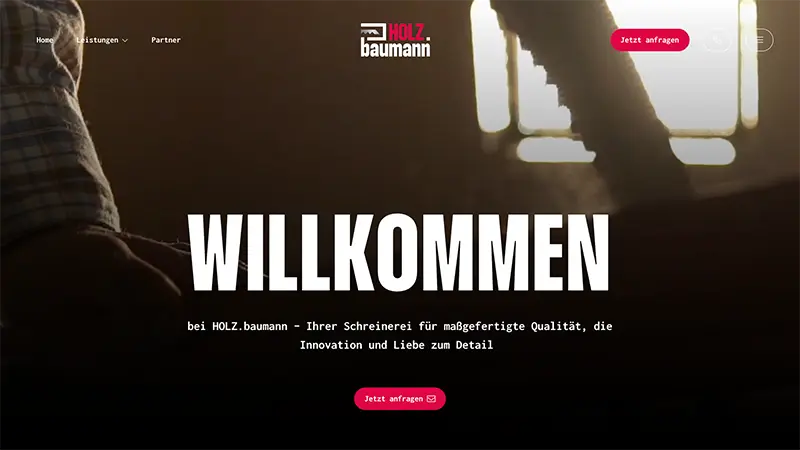
HOLZ. BaumannHOLZ. Baumann website preview
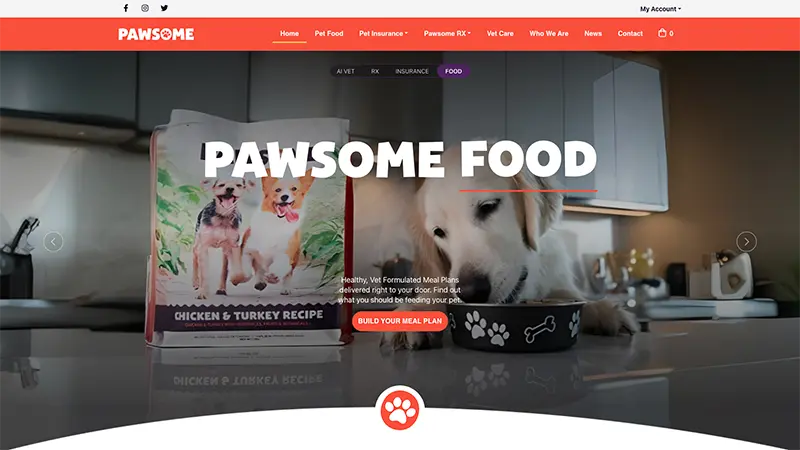
PawsomePawsome website preview
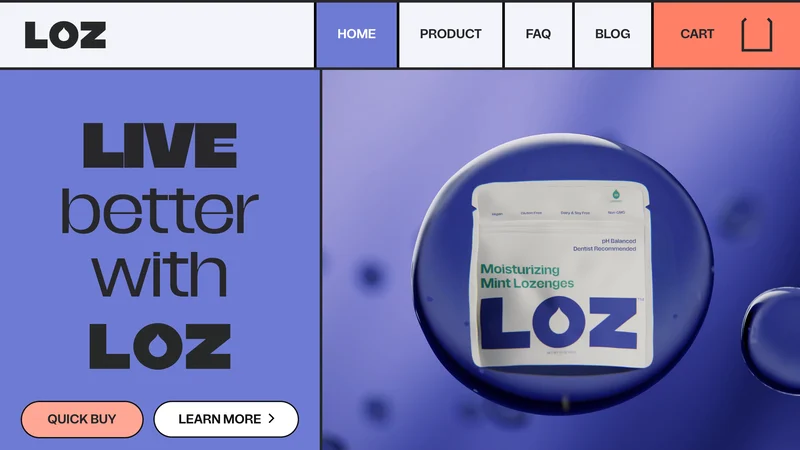
LOZLOZ website preview

Overview

This is not a "WordPress is bad" page

WordPress still makes sense for some projects, especially when the site is content-heavy, relatively standard, and the editing workflow is the main requirement. The problem starts when teams try to stretch it into a custom product or heavily integrated system.

Where custom Laravel development wins

Custom development wins when the project needs tailored workflows, user roles, integrations, business rules, or long-term flexibility that would be awkward to model through plugins and workarounds.

Choosing based on business value

We frame the decision around business fit, not developer preference. If WordPress is enough, that should be acknowledged. If it creates the wrong long-term foundation, that should be explained clearly too.

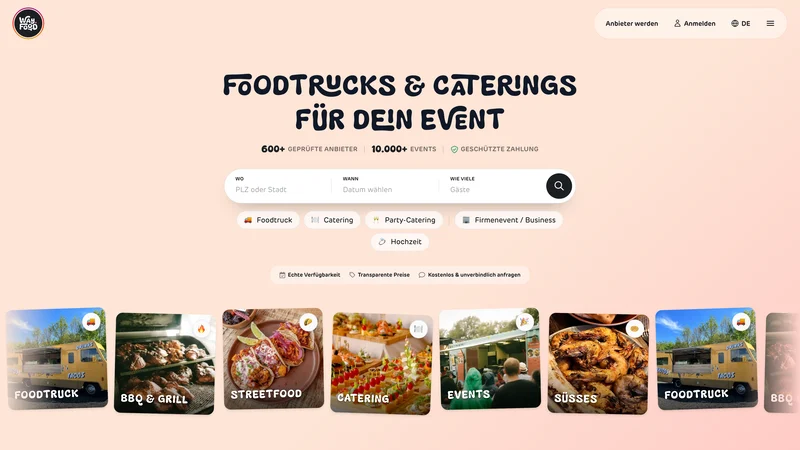
way.food — Foodtruck & Catering Comparison Portal

Process

Foodtruck & Catering Comparison Portal

.Relevant project example

We stay with you from discovery through launch, keeping UX, content, and engineering in one thread so decisions stay traceable. The spotlight project shows how we turn goals into a shippable product without trading away speed or maintainability. If your roadmap looks similar, the same rhythm usually applies: clarify, build, measure, and iterate.

  • Capture goals, workflows, and non-negotiables
  • Inventory editors, integrations, and compliance needs
  • Prototype the riskiest assumptions on paper or in spikes
  • Score WordPress vs. custom against maintainability and speed
  • Recommend a path with phased investment
  • Hand off an architecture outline your build team can execute

View case study

way.food — Foodtruck & Catering Comparison Portal

The real question is not WordPress or custom. It is fit or mismatch.

wordpress is often fine when...

The site is mostly editorial and relatively standard.
Initial setup speed matters more than long-term flexibility.
Plugins can solve the problem without creating fragility.

custom laravel is often a better fit when...

The project needs custom workflows, business rules, or more application-like behavior.
Maintainability and future changes matter as much as the initial launch.
Plugin layers would create complexity, performance issues, or process limits.

Related case studies

View all case studies

.Further reading

All

Frequently asked questions

No. It can still be a good fit for content-driven websites with straightforward needs.

Usually when workflows, integrations, user roles, or long-term flexibility become central to the project.

This page is designed to qualify the fit. Our strongest recommendation is usually custom development when the business case supports it.

Yes, but it is cheaper to decide correctly up front; we map content, redirects, and data migration risks if you must move.

For a straightforward marketing site, WordPress is often cheaper in year one (lower build cost) but accrues plugin license fees, premium theme renewals, and ongoing security patching—typically €2,500–6,000 per year in hidden costs. Custom Laravel has a higher year-one build but usually a lower year-two and year-three total, because there are no plugin stacks to maintain and fewer emergency fixes. The break-even for most business sites lands between month 18 and 30.

Stakeholder access, examples of current pain, and any must-have integrations or compliance constraints.

Website glossary

Vocabulary for choosing a foundation you can live with for years.

Plugin surface area

How many third-party extensions touch critical paths—and how that affects upgrades and security.

Content model vs. application model

Whether the site is primarily editorial publishing or stateful business logic with roles and rules.

Total cost of ownership

Hosting, maintenance, agency dependence, and refactor risk over multiple years.

Integration complexity

How many systems must exchange reliable data bidirectionally beyond simple forms.

Operational ownership

Who updates, monitors, and extends the system after the initial build team steps back.

Escape hatch planning

How painful it would be to migrate data and workflows if the first choice ages poorly.

Have a project in mind? We'd love to hear about it. Drop us a line and let's create something extraordinary together.

Contact us

600 characters left

This site is protected by reCAPTCHA and the Google Privacy Policy and Terms of Service apply.

Kassel, Germany.

()

© 2026 unlimited.studio.designed with in kassel, germany.